At Bama Exterminating, we understand that a safe and comfortable home goes beyond keeping pests away. One of the biggest factors affecting both your home and your health is humidity moisture. High levels of humidity and excess moisture can create an ideal environment for pests, mold, and structural damage, making it easier for termites, bedbugs, rodents, and other unwanted invaders to thrive.
As the leading pest control company in Tuscaloosa, Alabama, our team is highly trained to identify and address moisture-related problems before they become serious. In this article, we will answer common questions about humidity and moisture, explain how they impact your home, and share practical ways to protect your property while maintaining a healthy living environment.
What Is Humidity and Moisture?
Understanding the difference between humidity and moisture is key to maintaining a safe and pest-free home. While the terms are related, they describe different types of water presence in your environment.
Humidity refers to the amount of water vapor in the air. High humidity levels can make your home feel warmer, increase condensation on windows and walls, and create an environment that encourages pest activity. Excess humidity can contribute to infestations, making termite control, bedbug control, and rodent control more challenging.
Moisture, on the other hand, refers to the amount of water present in materials such as wood, drywall, or concrete. When moisture levels rise in building materials, it can lead to mold growth and structural issues. This is where fungus and moisture control and crawlspace care encapsulation become essential for protecting your home.
By understanding both humidity and moisture, homeowners can take proactive steps to reduce conditions that attract pests and compromise the integrity of their property. Effective management of humidity and moisture is not only important for comfort but is a critical part of professional pest control services.
Common Questions About Humidity Moisture
Understanding humidity moisture is important for protecting your home and preventing pest problems. Here are answers to some of the most common questions homeowners have:
Is 70% Humidity Considered High?
Yes, 70% relative humidity is considered high for indoor environments. High humidity can make your home feel uncomfortable and increase condensation on surfaces. This moisture can attract pests, making termite control, bedbug control, and rodent control more necessary. Maintaining optimal humidity levels can reduce pest activity and protect your home’s structure.
Does 80% Humidity Mean the Air Is 80% Water?
Not exactly. Relative humidity measures how much water vapor the air is holding compared to the maximum it could hold at a given temperature. 80% humidity means the air contains 80% of the water vapor it can hold before condensation occurs. It does not mean that 80% of the air is water. High humidity, however, still creates conditions that encourage pests and mold growth, which is why professional fungus and moisture control can be critical.
What’s the Difference Between Humidity and Moisture?
Humidity refers to water vapor in the air, while moisture refers to water content in materials such as wood, drywall, or concrete. Both can contribute to pest problems. Excess humidity can increase material moisture, creating ideal conditions for termites, rodents, and bedbugs. Services like crawlspace care encapsulation help manage both humidity and moisture, reducing the risk of infestations.
What Does 100% Moisture Mean?
A 100% moisture reading usually refers to materials being fully saturated with water. For example, wood or drywall at 100% moisture is completely soaked, which can lead to mold growth, structural damage, and increased pest activity. Prompt attention from professionals in pest control and fungus and moisture control is necessary to prevent long-term damage.
What Is an Acceptable Moisture Reading in a House?
Acceptable moisture levels vary depending on the material:
- Wood: 6–12%
- Drywall: 1–2%
- Concrete: below 5%
Keeping moisture within these ranges helps prevent infestations and damage, supporting effective termite control, bedbug control, and rodent control.
What State Has the Worst Humidity in the US?
Some of the most humid states are in the Southeast, including Alabama, Florida, Louisiana, and Mississippi. High humidity in these areas makes homes more vulnerable to pests, mold, and structural issues, highlighting the importance of professional pest control, crawlspace care encapsulation, and fungus and moisture control.
How Humidity Moisture Affects Pests
High levels of humidity moisture create ideal conditions for many pests to thrive. Moist environments not only attract insects and rodents but can also contribute to mold growth, which can further damage your home. Understanding these effects is key to effective pest control.
Here’s how humidity and moisture impact common pests:
- Termites: Termites are drawn to areas with excess moisture, including damp wood, crawlspaces, and leaky foundations. High humidity accelerates wood decay, providing food and shelter for termites. Professional termite control is essential to prevent serious structural damage.
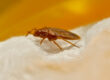
- Bedbugs: While bedbugs are more influenced by temperature than moisture, high humidity can help them survive longer and reproduce more quickly. Maintaining proper humidity levels supports effective bedbug control.
- Rodents: Rodents seek out moist areas for water and nesting. Excess moisture in attics, basements, or crawlspaces can increase the risk of infestations, making rodent control critical.
- Mold and fungi: Moisture in walls, floors, and crawlspaces creates the perfect environment for mold growth. This is where fungus and moisture control and crawlspace care encapsulation become important to protect your home and family.
By controlling humidity and moisture levels, homeowners can reduce the risk of infestations, prevent damage to building materials, and support long-term pest prevention. Combining moisture management with professional pest control services ensures that your home remains safe, comfortable, and protected from pests.
Solutions for Managing Humidity Moisture at Home
Managing humidity moisture in your home is essential for both comfort and pest prevention. High humidity and excess moisture can attract termites, bedbugs, rodents, and promote mold growth. Fortunately, there are practical steps homeowners can take to reduce these risks.
Effective ways to manage humidity and moisture include:
- Improve ventilation: Ensure your home is properly ventilated, especially in bathrooms, kitchens, and attics. Ventilation reduces indoor humidity, making it less inviting for pests.
- Use dehumidifiers: Running a dehumidifier in basements, crawlspaces, or other high-moisture areas can help maintain safe humidity levels.
- Fix leaks promptly: Leaky pipes, roofs, or windows increase moisture in walls and floors, creating ideal conditions for termites and rodents.
- Monitor moisture levels: Use moisture meters to check wood, drywall, and concrete. Keeping moisture within safe ranges supports effective termite control and prevents structural damage.
- Crawlspace care encapsulation: Professional encapsulation of crawlspaces helps control moisture at the source, protecting your home from pests and mold.
- Fungus and moisture control: Addressing mold and fungal growth quickly prevents health risks and reduces the likelihood of pest infestations.
Regular maintenance combined with professional pest control, termite control, bedbug control, and rodent control services ensures that your home stays protected from the damaging effects of excess humidity moisture.
Why Choose Bama Exterminating?
At Bama Exterminating in Tuscaloosa, Alabama, we understand how damaging high humidity moisture can be to your home. Our highly trained team provides comprehensive pest control services that not only eliminate existing pests but also prevent future infestations.
Here’s why homeowners trust us:
- Expert Termite Control: We identify and treat areas with excess moisture that attract termites, protecting your home’s structure.
- Bedbug Control: Our team uses proven methods to remove bedbugs quickly and prevent them from returning, even in humid environments.
- Rodent Control: We locate moisture-prone entry points and nesting areas, ensuring rodents do not invade your home.
- Crawlspace Care Encapsulation: Properly encapsulating crawlspaces reduces moisture levels and creates a barrier against pests and mold.
- Fungus and Moisture Control: We assess your home for mold and fungal growth caused by humidity and implement effective solutions.
- Thorough Inspections: Our team identifies problem areas, addresses the root cause of infestations, and ensures the job is done right the first time.
By combining moisture management with professional pest services, Bama Exterminating helps homeowners maintain a safe, comfortable, and pest-free home. Our local expertise in Tuscaloosa ensures that every service is tailored to the unique climate challenges of Alabama.
Protect Your Home from the Hidden Dangers of Humidity Moisture
Managing humidity moisture is essential for protecting your home from pests, mold, and structural damage. High humidity and excess moisture create the perfect environment for termites, bedbugs, rodents, and fungal growth, making professional pest control, termite control, bedbug control, rodent control, crawlspace care encapsulation, and fungus and moisture control critical for maintaining a safe and comfortable home.
At Bama Exterminating, our highly trained team in Tuscaloosa, Alabama, is dedicated to providing thorough, reliable services that address both pests and moisture-related problems. We identify the root causes, implement effective solutions, and ensure the job is done right the first time.
Protect your home and your family from the damaging effects of humidity and moisture. Contact Bama Exterminating today to schedule an inspection and experience the most comprehensive pest control services in Tuscaloosa.