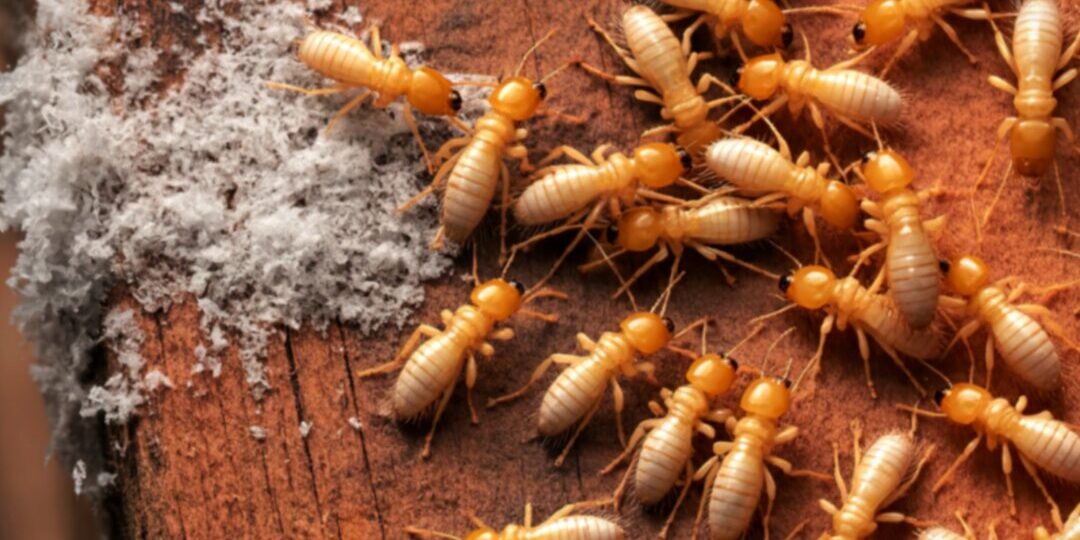
Commercial property owners face constant pressure to maintain safe, structurally sound buildings while avoiding costly repairs and operational disruptions. One of the most serious hidden threats to any structure is a termite infestation. Termites can quietly damage wood, flooring, and support structures long before visible signs appear, which is why commercial termite treatment is essential for long term property protection.
At Bama Exterminating in Tuscaloosa, Alabama, we provide professional Pest Control solutions designed specifically for commercial properties that cannot afford downtime or structural risk. Our highly trained technicians specialize in Termite Control, Bedbug Control, and Rodent Control, along with advanced protection services such as Crawlspace Care Encapsulation and Fungus And Moisture Control.
Each service is designed to work together to protect the entire structure, not just treat isolated problems. Moisture issues, pest activity, and hidden infestations often overlap, which is why a comprehensive approach is necessary for lasting results. With the right prevention and treatment plan, business owners can protect their investment, reduce repair costs, and maintain a safe environment for employees and customers.
What Do Professionals Use to Treat Termites
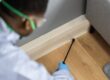
Professional termite treatment is far more advanced than anything available to property owners through store bought products. Effective Termite Control requires specialized tools, materials, and application methods that target termites at the source of the colony, not just the visible activity inside a building.
At Bama Exterminating, commercial termite treatment is based on a careful inspection of the property, followed by a customized plan that may include multiple treatment methods depending on the severity and location of the infestation.
Liquid Termiticides
One of the most common tools professionals use is liquid termiticide. This treatment is applied to the soil around the foundation of a building. It creates a protective barrier that either repels or eliminates termites as they attempt to enter the structure.
Baiting Systems
Bait stations are placed strategically around the property. Termites feed on the bait and carry it back to the colony, which helps eliminate the entire population over time. This method is especially useful for long term monitoring and prevention as part of a full Pest Control program.
Foam and Crack and Void Treatments
Foam treatments allow exterminators to reach hidden areas inside walls, voids, and structural gaps where termites often travel. This method is effective for targeting infestations that are not easily accessible.
Wood Treatments
Direct wood applications are used to protect or treat structural components that are already damaged or at high risk. This helps strengthen protection in vulnerable areas of the building.
Fumigation for Severe Infestations
In rare and severe cases, full structure fumigation may be required. This method eliminates termites throughout the entire building and is typically used when infestations are widespread and difficult to control with localized treatments.
Integrated Commercial Approach
Professional termite control is rarely based on a single product. Instead, it is part of a larger strategy that may also involve Fungus And Moisture Control to reduce conditions that attract termites, along with long term Crawlspace Care Encapsulation to prevent moisture buildup and future infestations.
By combining these methods, professionals ensure that both active termites and hidden colonies are fully addressed, providing long lasting protection for commercial properties.
Why Commercial Properties Are High Risk for Termites
Commercial buildings face a higher risk of termite infestations compared to many residential properties due to their size, complexity, and constant exposure to environmental conditions that attract pests. Understanding these risks is an important part of effective Pest Control and long term Termite Control planning.
Larger and More Complex Structures
Commercial properties often have larger footprints, multiple entry points, and complex construction designs. This gives termites more opportunities to find hidden access routes into wood and structural materials without being detected.
Hidden Moisture Problems
Moisture is one of the primary factors that attract termites. In commercial buildings, plumbing systems, HVAC units, and drainage issues can create hidden moisture pockets. These conditions not only attract termites but can also lead to fungal growth, making Fungus And Moisture Control a critical part of property protection.
High Amounts of Wood and Structural Material
Many commercial buildings contain wood framing, storage areas, loading docks, and interior structures that provide an ongoing food source for termites. Once termites establish a colony, they can spread quickly through multiple sections of the building.
Limited Visibility of Early Damage
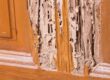
In busy commercial environments, early signs of termite activity often go unnoticed. Damage can develop behind walls, under flooring, or in crawlspaces where regular inspections are not performed frequently.
Financial and Operational Impact
Unlike residential properties, termite damage in commercial buildings can directly affect business operations. Repairs may require partial shutdowns, relocation of inventory, or temporary closure, leading to financial losses in addition to structural repair costs.
For this reason, a proactive approach to commercial termite treatment is essential. Regular inspections, preventative Termite Control, and integrated Crawlspace Care Encapsulation help reduce risk and protect the long term stability of the structure.
What Draws Termites Out
Termites are constantly searching for the right conditions to build and expand their colonies. Understanding what attracts them is an important part of effective Termite Control and overall Pest Control for commercial properties.
Moisture and Water Intrusion
Moisture is the strongest factor that draws termites into a structure. Leaking pipes, roof issues, poor drainage, and high humidity all create ideal conditions for termite activity. Damp environments soften wood, making it easier for termites to consume and expand through structural materials.
This is also why Fungus And Moisture Control plays a key role in preventing infestations. Where there is moisture, there is often both fungal growth and increased termite attraction.
Wood to Soil Contact
When wood is in direct contact with soil, termites gain an easy pathway into a building. This includes wooden support beams, siding, decks, or framing that touches the ground. Subterranean termites especially rely on soil access to maintain their colonies.
Decaying or Damaged Wood
Termites are strongly attracted to wood that is already weakened by decay. Water damage, rot, or previous pest activity makes wood easier to consume and more appealing as a food source.
Poor Ventilation and Crawlspace Conditions
Dark, poorly ventilated crawlspaces create ideal environments for termites. Excess humidity combined with limited airflow allows colonies to grow undetected. This is why Crawlspace Care Encapsulation is often recommended as part of a long term prevention strategy.
Cracks and Structural Gaps
Small foundation cracks, expansion joints, and unsealed openings provide entry points for termites. Once inside, they can move undetected through walls and flooring systems.
By addressing these conditions early, businesses can significantly reduce the likelihood of infestation. Preventative commercial termite treatment focuses not only on eliminating termites, but also on removing the conditions that attract them in the first place.
What Time of Year Are Termites Most Active
Termite activity is influenced by temperature, moisture, and seasonal changes. While termites can be active year round in many southern regions, there are certain times of the year when activity becomes more noticeable, making it especially important to stay consistent with Termite Control and overall Pest Control efforts.
Spring Swarming Season
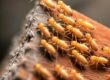
Spring is the most active period for termites. This is when reproductive termites, often called swarmers, leave their colonies to establish new ones. Swarming typically occurs during warm days following rainfall, when moisture levels are high and conditions are ideal for reproduction.
During this time, commercial property owners are more likely to see visible signs such as discarded wings near windows, doors, or light sources.
Early Summer Expansion
After spring swarming, termite colonies begin expanding rapidly in early summer. Increased warmth and moisture allow colonies to grow and spread more aggressively within structures. This is when hidden damage often accelerates inside commercial buildings.
Year Round Activity in Alabama
In regions like Tuscaloosa, Alabama, termites are not limited to a single season. The mild climate allows subterranean termites to remain active throughout the year. They simply move deeper underground or inside structures during colder periods, continuing to feed and expand without obvious surface activity.
Why Seasonal Awareness Matters
Understanding seasonal activity helps business owners stay ahead of potential infestations. Even if termites are not visible, they may still be active behind walls or beneath foundations. This is why routine inspections and consistent commercial termite treatment are essential.
Preventative strategies such as Fungus And Moisture Control and Crawlspace Care Encapsulation also help reduce conditions that allow year round termite activity to thrive.
What Is a Termite’s Biggest Enemy
In nature, termites have several predators and biological threats, but very few of them are able to impact an established colony in a meaningful way. Understanding these natural controls helps explain why professional Termite Control and Pest Control are necessary for protecting commercial structures.
Ants
Ants, especially aggressive species like fire ants, are one of the most effective natural enemies of termites. Ants will invade termite tunnels and attack both worker termites and soldiers. In some cases, they can destroy smaller or newly forming colonies.
However, ants do not protect buildings or eliminate hidden colonies inside walls or soil, so their impact is limited in real world property protection.
Nematodes
Nematodes are microscopic organisms that live in soil and can infect termites. Once inside a termite’s body, they multiply and eventually kill the host. While they can reduce termite populations in soil environments, they are not reliable for eliminating large or established colonies.
Birds and Reptiles
Certain birds, lizards, and other reptiles will feed on termites when they are exposed during swarming. This can reduce numbers temporarily, but it has little impact on colonies that remain underground or inside structures.
Fungal Pathogens
Some naturally occurring fungi can infect termites and spread through a colony under the right conditions. These biological agents can weaken populations but are highly dependent on environmental factors and cannot be controlled or directed effectively.
Why Professionals Are the Real Solution
While termites do have natural enemies, none of them provide consistent protection for buildings or commercial properties. Natural predators cannot reach hidden colonies or stop structural damage once termites are inside a building.
This is why professional commercial termite treatment is the most effective solution. At Bama Exterminating, we use targeted treatment methods that eliminate colonies at the source and prevent reinfestation. Combined with services like Fungus And Moisture Control and Crawlspace Care Encapsulation, we address both the pests and the conditions that allow them to thrive.
What State Has No Termites
A common question among property owners is whether there is any state in the United States that does not have termites. The simple answer is that no state is completely free of termites.
Termites are one of the most widespread structural pests in the country, and they can be found in nearly every region due to their ability to adapt to different climates and environments.
Termites Exist Nationwide
Different types of termites are distributed across the United States, including subterranean, drywood, and dampwood species. While their activity levels vary by region, every state has conditions that can support termite survival.
Why No State Is Exempt
Even colder climates are not immune. Termites can survive underground where temperatures remain stable, or inside heated structures where conditions allow them to continue feeding. This means that even areas with harsh winters are still at risk of infestation.
Higher Risk Regions
Some states experience significantly higher termite pressure due to warm and humid conditions. Southern states such as Alabama are particularly vulnerable because moisture and heat create ideal environments for termite colonies to thrive year round.
What This Means for Property Owners
Since no location is completely protected from termites, ongoing Termite Control is necessary regardless of geography. Commercial properties are especially vulnerable due to their size and structural complexity, making proactive commercial termite treatment an important part of long term building maintenance.
This is also why integrated Pest Control strategies are essential. Services like Fungus And Moisture Control and Crawlspace Care Encapsulation help reduce environmental conditions that allow termites to survive and spread inside structures.
Full-Service Protection from Bama Exterminating
Effective protection against termites and other pests requires more than a single treatment. Commercial properties benefit most from a complete approach that addresses pests, moisture conditions, and structural vulnerabilities. At Bama Exterminating, our services are designed to work together as a full system of protection for long term results.
Pest Control
Our general Pest Control services provide ongoing protection against a wide range of common pests that affect commercial properties. Regular service helps prevent infestations before they become major problems and supports a healthier, safer environment for employees and customers.
Termite Control
Specialized Termite Control is at the core of protecting commercial buildings. We use proven methods to eliminate active colonies and create long term barriers that reduce the risk of future infestations. This is the foundation of any effective commercial termite treatment plan.
Bedbug Control
Commercial facilities such as hotels, offices, and multi unit properties can be vulnerable to bedbug infestations. Our Bedbug Control treatments are designed to eliminate infestations quickly and prevent spreading to other areas of the building.
Rodent Control
Rodents can cause serious structural damage by chewing wires, contaminating storage areas, and spreading disease. Our Rodent Control services focus on removal, exclusion, and prevention to protect the integrity of commercial properties.
Crawlspace Care Encapsulation
Crawlspaces are one of the most common entry points for pests and moisture problems. Our Crawlspace Care Encapsulation service seals and protects these areas to reduce humidity, block pest access, and improve overall structural conditions.
Fungus And Moisture Control
Moisture issues often lead to wood decay and fungal growth, both of which attract termites. Our Fungus And Moisture Control solutions address these problems at the source, helping to prevent the conditions that allow infestations to develop.
Integrated Protection Strategy
When combined, these services create a complete protection system for commercial buildings. By addressing pests, moisture, and structural vulnerabilities together, Bama Exterminating provides a more effective and long lasting solution than standalone treatments.