Humidity and moisture are two factors that significantly impact both your health and the condition of your home. Excessive humidity can lead to mold growth, structural damage, and create an environment that attracts pests such as rodents, termites, and bedbugs. Controlling indoor humidity is therefore crucial not only for comfort but also for maintaining a safe and healthy home.
High moisture levels in your home can compromise Fungus and Moisture Control, increasing the risk of mold and mildew. It can also affect the effectiveness of Pest Control, Termite Control, Bedbug Control, and Rodent Control, as many pests thrive in damp environments. Professional services like Crawlspace Care Encapsulation can help manage moisture at its source, keeping your home dry, safe, and more energy-efficient.
In this article, we will explore how humidity affects health and homes, answer common questions such as the best humidity levels for eczema, and discuss strategies for controlling moisture while preventing pests and mold.
What Is the Best Humidity Level for Eczema?
Maintaining the right indoor humidity is important for managing skin conditions such as eczema. Dry air can cause your skin to crack and become irritated, while excessive humidity can worsen itching and discomfort.
Recommended Humidity Levels
- The ideal indoor humidity for eczema is typically between 40% and 50%.
- Using a humidifier during dry months can help prevent skin dryness.
- During humid seasons, a dehumidifier may be necessary to reduce excess moisture that can irritate sensitive skin.
Additional Tips for Home Comfort
- Keep your home well-ventilated to balance moisture and airflow.
- Monitor indoor humidity with a hygrometer to maintain consistent levels.
- Regular Fungus and Moisture Control and Crawlspace Care Encapsulation can prevent damp areas that trigger skin irritation and create a breeding ground for pests.
By maintaining optimal humidity, you not only protect your skin health but also reduce conditions that can attract Pest Control, Termite Control, Bedbug Control, and Rodent Control issues in your home.
Which Country Is the Most Humid?
Humidity levels vary widely around the world, influenced by climate, geography, and proximity to large bodies of water. The countries with the highest average humidity are typically located in tropical regions near the equator.
Top Humid Countries
- Singapore: Known for consistently high humidity, often above 80% year-round.
- Indonesia: Tropical climate with high moisture in the air, especially in coastal areas.
- Malaysia: Experiences high humidity levels that can reach over 90% in certain regions.
- Brazil (Amazon region): Dense rainforest and frequent rainfall contribute to high humidity.
Why It Matters for Homes
Living in high-humidity regions can increase the risk of:
- Mold and mildew growth, which affects Fungus and Moisture Control
- Pest activity, including Termite Control, Rodent Control, Bedbug Control, and general Pest Control concerns
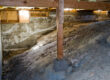
- Structural damage if crawlspaces or poorly ventilated areas retain moisture
For homeowners in humid climates, professional solutions like Crawlspace Care Encapsulation help manage excess moisture, protect the home’s structure, and prevent mold and pest problems.
Maintaining proper indoor humidity is essential regardless of your location, especially in areas where outdoor humidity is consistently high.
Does Humidity Cause Mucus?
High humidity can affect your respiratory system and may contribute to increased mucus production, although the relationship is indirect. When the air is very humid, it can irritate nasal passages and the throat, sometimes making mucus more noticeable or thicker.
How Humidity Affects Mucus
- Moist air can trigger congestion in people with respiratory conditions like asthma or allergies.
- High humidity can encourage mold growth, which may worsen respiratory issues.
- Low humidity can dry out nasal passages, which also leads to irritation and mucus buildup.
Managing Indoor Humidity for Comfort
- Maintain indoor humidity levels around 40–50% to minimize respiratory irritation.
- Use dehumidifiers in damp areas or during humid months.
- Ensure proper Fungus and Moisture Control in crawlspaces, basements, and bathrooms.
- Encapsulation and moisture management, such as Crawlspace Care Encapsulation, can reduce dampness that contributes to both mold and increased mucus issues.
Balancing indoor humidity not only helps with respiratory comfort but also reduces conditions that attract pests, making Pest Control, Termite Control, Bedbug Control, and Rodent Control more effective in your home.
Understanding High Humidity Levels in Homes
Excessive indoor humidity can create an uncomfortable living environment and pose risks to both health and your home’s structure. Understanding what humidity percentages mean and what is considered too high is essential for maintaining a safe, healthy home.
Does 80% Humidity Mean the Air Is 80% Water?
- No, 80% humidity refers to relative humidity, not the actual water content in the air.
- Relative humidity measures how much water vapor the air contains compared to the maximum it can hold at a given temperature.
- At 80% relative humidity, the air is holding 80% of the moisture it could potentially contain at that temperature.
Is 70% Humidity Too High for a House?
- Yes, prolonged indoor humidity above 60–70% can cause problems:
- Encourages mold and mildew growth
- Damages wood, furniture, and paint
- Creates ideal conditions for pests, affecting Pest Control, Termite Control, Bedbug Control, and Rodent Control
- High humidity can also worsen respiratory issues and make living spaces uncomfortable.
Solutions for High Indoor Humidity
- Install dehumidifiers in problem areas.
- Maintain proper Fungus and Moisture Control, particularly in basements and crawlspaces.
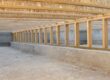
- Consider professional Crawlspace Care Encapsulation to prevent dampness from entering the home.
Proper monitoring and management of indoor humidity protect your home, health, and help prevent pest infestations while maintaining a comfortable environment.
What Kills 100% of Mold?
Eliminating mold completely requires a combination of proper cleaning, moisture control, and preventive measures. While no single product can guarantee 100% eradication in all cases, professional methods and consistent home maintenance are the most effective solutions.
Effective Mold Removal Methods
- Professional Mold Remediation: Certified specialists can safely remove mold from walls, ceilings, and crawlspaces while addressing hidden growth areas.
- Cleaning with Antimicrobial Solutions: Products designed for mold removal can disinfect surfaces, but they are most effective when combined with moisture control.
- Moisture Management: Controlling humidity is key to preventing regrowth. High humidity encourages mold, so keeping levels around 40–50% is recommended.
Preventing Mold Growth
- Ensure proper Fungus and Moisture Control in crawlspaces, basements, and bathrooms.
- Install Crawlspace Care Encapsulation to block moisture intrusion from the ground.
- Regularly inspect areas prone to dampness to catch mold early.
- Maintain ventilation and dehumidifiers in humid areas of the home.
By combining professional remediation with moisture management, homeowners can significantly reduce mold risk and maintain a healthier living environment. This approach also supports Pest Control, Termite Control, Bedbug Control, and Rodent Control, as pests are less likely to thrive in dry, well-maintained spaces.
How Humidity Impacts Pest Problems
Excess humidity in your home does more than just affect comfort and health—it can create ideal conditions for pests. Moist, damp environments attract insects and rodents that thrive in high-moisture areas, increasing the need for comprehensive Pest Control measures.
Common Pest Issues Linked to High Humidity
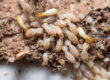
- Termites: Moist wood and damp foundations provide the perfect environment for termite infestations, making Termite Control essential.
- Rodents: High humidity areas, such as crawlspaces or basements, are attractive to rats and mice, increasing the need for Rodent Control.
- Bedbugs: While primarily found in living spaces, bedbugs are more likely to persist in homes with high moisture and poor ventilation, making Bedbug Control more challenging.
- Insects: Cockroaches, silverfish, and other pests thrive in damp environments.
Reducing Pest Problems Through Humidity Control
- Maintain indoor humidity around 40–50% to deter pest activity.
- Implement Fungus and Moisture Control to remove damp areas that attract pests.
- Use Crawlspace Care Encapsulation to seal moisture sources from beneath the home, creating a dry, pest-resistant environment.
Controlling humidity is a crucial part of a comprehensive pest prevention strategy. Proper moisture management not only protects your home from mold and structural damage but also enhances the effectiveness of Pest Control, Termite Control, Bedbug Control, and Rodent Control services.
Maintaining Healthy Humidity Levels: Conclusion and Next Steps
Proper management of humidity moisture in your home is essential for both health and home maintenance. Maintaining indoor humidity between 40–50% helps prevent mold growth, reduces respiratory irritation, and creates an environment that is less inviting to pests. Controlled humidity supports effective Fungus and Moisture Control, as well as professional Pest Control, Termite Control, Bedbug Control, and Rodent Control efforts.
High indoor humidity can lead to structural damage, increased mold risk, and thriving pests if left unchecked. Solutions like Crawlspace Care Encapsulation provide long-term moisture protection, keeping your home dry, safe, and more energy-efficient. Combining these preventive measures with professional remediation and monitoring ensures a healthy living environment for you and your family.
Take control of your home’s humidity today. Contact a professional team to assess your moisture levels, implement proper solutions, and protect your home from mold, pests, and damage. With the right strategies in place, you can maintain a comfortable, safe, and healthy home environment year-round.